You met a buyer at a showing three months ago. They seemed interested but weren't ready to move. You meant to follow up. Life got busy. Now you can't remember their name, and they probably bought from someone else.
This happens to every broker. The difference between the ones who close consistently and the ones who don't isn't talent—it's systems.
Follow-up is where most deals are won or lost. Not the first conversation. The fifth one. The one that happens because you had a system, not because you remembered.
Why Follow-Up Falls Apart
Most brokers know follow-up matters. So why doesn't it happen?
Because it's not urgent. When you're juggling active listings, live showings, and deals under contract, calling someone who said "maybe next year" feels like a low priority. It goes on the mental to-do list, and it never gets done.
Because it's not systematized. If follow-up depends on memory, it depends on luck. You'll remember some people. You'll forget most. The ones you forget were never really leads—they were wasted opportunities.
Because it feels awkward. Nobody wants to be the pushy salesperson. So brokers avoid follow-up entirely, convincing themselves that "if they're interested, they'll call."
They won't. Not because they're not interested—because they're busy too. The broker who stays in touch is the one who's there when they're finally ready.
The System That Actually Works
Effective follow-up isn't about working harder. It's about building a machine that does the work for you.
- Step 1: Capture everything. Every lead goes into a system immediately. Not tomorrow. Not when you get back to the office. Before you leave the showing or end the call. Name, contact info, what they're looking for, timeline, and any notes about the conversation.
- Step 2: Categorize by temperature. Not all leads are equal. Someone who's pre-approved and looking to buy this quarter is different from someone who's "just starting to think about it." Categorize your leads so you know who needs attention now and who needs a longer nurture.
- Step 3: Schedule the next touch. Every lead should have a next action with a date. For hot leads, that might be tomorrow. For long-term prospects, it might be 30 days. The point is it's scheduled—not floating in your head hoping you'll remember.
- Step 4: Automate what you can. Not every touch needs to be personal. Email sequences, market updates, new listing alerts—these can run automatically, keeping you top of mind without requiring your time. Save the personal calls for high-value moments.
- Step 5: Review weekly. Fifteen minutes once a week to review your pipeline. Who's due for follow-up? Who went quiet? Who should be moved to a different category? This is how leads don't slip through cracks.
What to Actually Say
The fear of follow-up usually comes from not knowing what to say. Here's the secret: you don't need a pitch. You need a reason.
The check-in. "Hey, just wanted to check in and see if you had any questions after the showing last month. Still thinking about land in [area]?"
The value-add. "I saw a new listing hit the market that reminded me of what you were looking for. Thought you might want to see it before it gets picked up."
The market update. "Land prices in [county] moved up about 8% last quarter. If you're still considering buying, might be worth a conversation about timing."
The personal touch. "I remembered you mentioned [specific thing from conversation]. How's that going?"
Notice what these have in common: they're helpful, not salesy. You're providing value or showing you remember them as a person. That's what builds relationships.
The Long Game
Some leads take years to convert. A landowner mentions they might sell "someday." A buyer says they need to save up first. A referral isn't ready to move yet.
These aren't dead leads. They're future deals—if you stay in touch.
The brokers who dominate their markets are the ones who've been following up with the same people for three, five, even ten years. When that landowner finally decides to sell, who do they call? The broker who checked in twice a year for the last decade.
That's the long game. And it only works with a system.
Tools Don't Matter as Much as Consistency
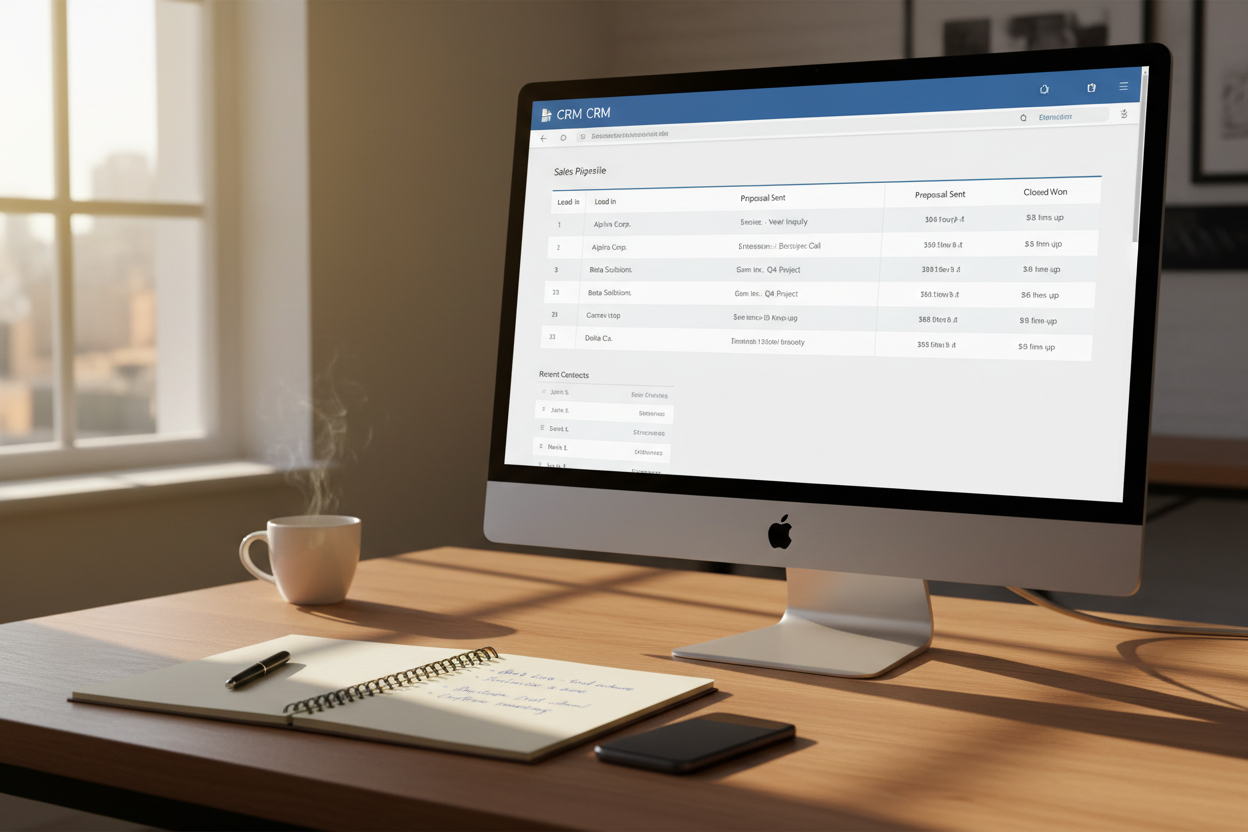
Some brokers use sophisticated CRMs. Others use a spreadsheet. Some use a notebook and a calendar.
The tool doesn't matter. The consistency does.
The best system is the one you'll actually use. If a complex CRM feels overwhelming, use something simpler. If you need structure, invest in better tools. What matters is that leads go in, follow-ups go out, and nothing falls through the cracks.
Start with what you have. Improve as you go. But start.
Your Pipeline Is Your Business
Listings come and go. Markets shift. But a well-maintained pipeline—hundreds of relationships with buyers, sellers, and referral sources—that's an asset that compounds over time.
Every lead you capture and nurture is a future closing. Every follow-up you skip is money left on the table.
Build the system. Work the system. Watch what happens.
Landverse AI Academy includes CRM templates, follow-up scripts, and pipeline management workflows built for land brokers. Stop losing deals to inconsistent follow-up. Learn more at landverseai.com/academy.