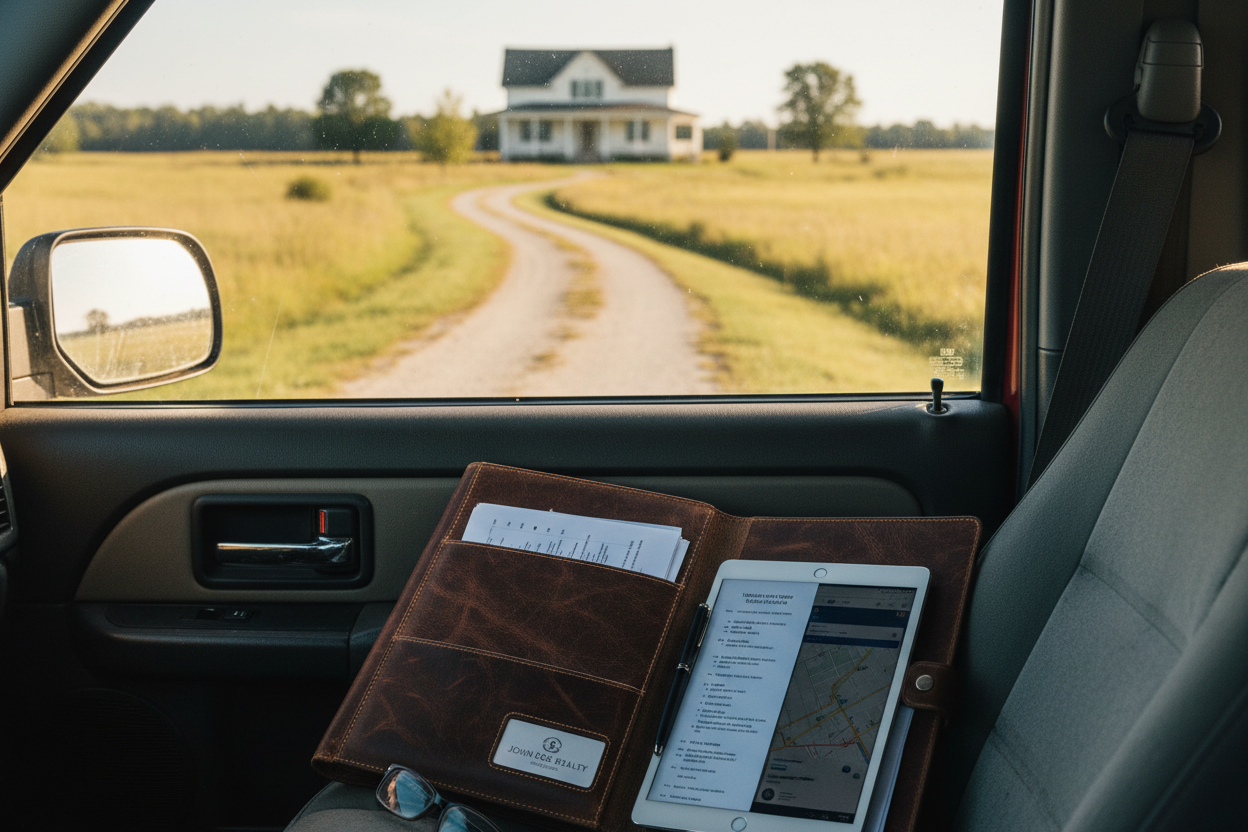
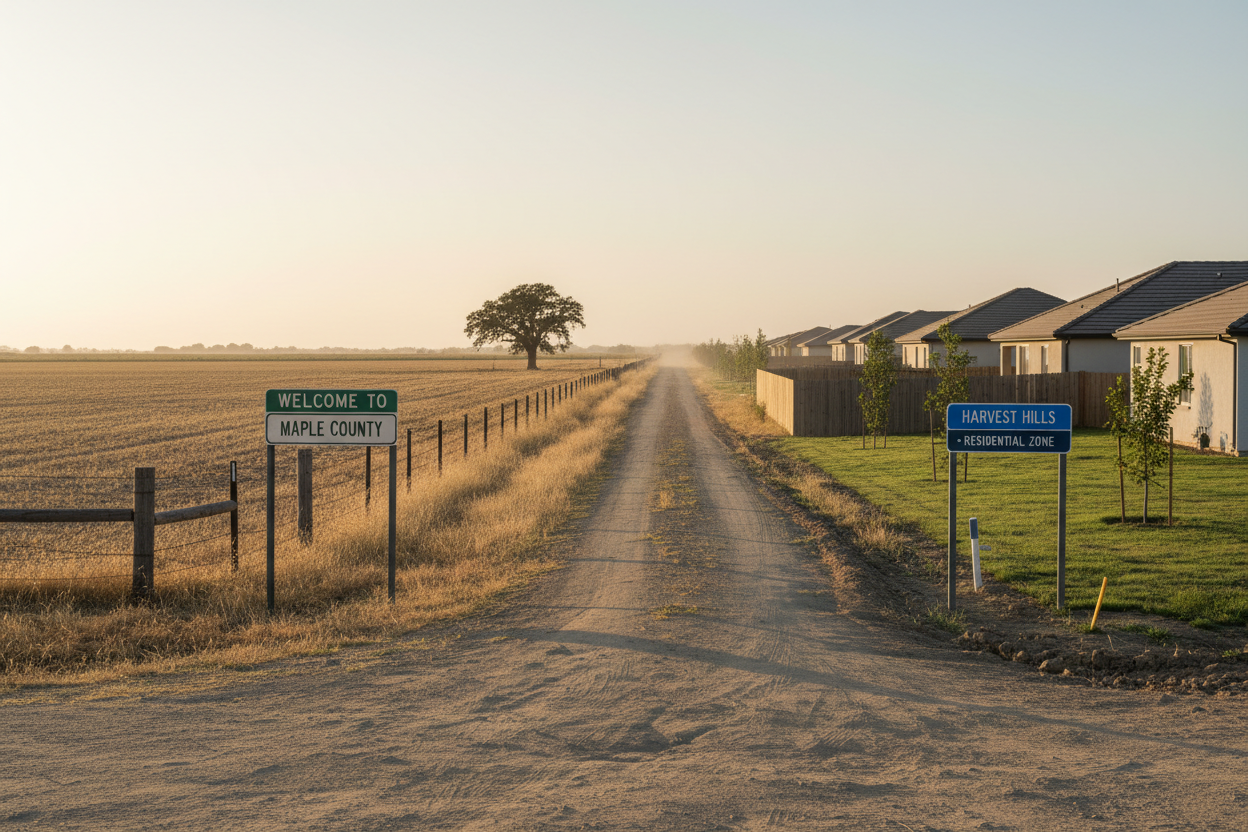
A buyer wants to build a barndominium on 20 acres. The land looks perfect. Then you check the zoning—agricultural only, no residential structures permitted.
Deal over. Or at least, a very different conversation than you thought you were having.
Zoning determines what people can actually do with land. It's not optional knowledge for land brokers. It's foundational. The broker who understands zoning wins listings, prevents blown deals, and becomes the expert clients trust.
Why Zoning Matters More for Land
Residential brokers can mostly ignore zoning. A house is a house. It's already built, already permitted, already legal.
Land is different. Every buyer has plans—build a home, run livestock, start a business, subdivide, hunt, farm. Whether those plans are possible depends entirely on zoning. A parcel that's perfect for one use might be worthless for another.
The land broker who can answer "Can I do X on this property?" confidently—or knows exactly how to find out—provides value that most competitors don't.
The Basic Zoning Categories
Zoning varies by jurisdiction, but most areas use similar frameworks.
Agricultural (AG) is typically the least restrictive for rural land. Usually allows farming, ranching, and often single-family residential. But don't assume—some AG zones prohibit residential, and many have minimum lot sizes.
Residential (R-1, R-2, etc.) is designed for housing. Different classifications allow different densities. R-1 might mean single-family only with large lots. R-3 might allow multi-family. For land buyers, the key questions are minimum lot size and what accessory structures are permitted.
Commercial (C) and Industrial (I) allow business and manufacturing uses. Land zoned commercial might be worth multiples of nearby agricultural land—or might sit unsold if there's no market demand for that use in the area.
Mixed Use combines categories, typically allowing residential and commercial together. Increasingly common in transitional areas and planned developments.
Conservation or Open Space restricts development to protect natural resources. Buyers need to understand exactly what's prohibited—sometimes it's everything except passive recreation.
These categories are just the starting point. The actual zoning code specifies permitted uses, conditional uses, setbacks, height limits, and dozens of other restrictions.
Permitted vs. Conditional Uses
This distinction trips up a lot of brokers.
Permitted uses are allowed by right. If the zoning says single-family residential is permitted, your buyer can build a house without special approval. They still need permits, but they don't need permission.
Conditional uses (sometimes called special uses) might be allowed, but only with approval from the planning board or zoning commission. This adds time, cost, and uncertainty. A conditional use permit isn't guaranteed—it requires an application, possibly a hearing, and sometimes neighbor notification.
When a buyer asks "Can I do X?", the answer might be "Yes, by right," "Yes, with conditional approval," or "No, that's prohibited." Each answer leads to a very different conversation.
The Questions to Ask on Every Listing
Before you price or market any land, know the zoning situation:
- What's the current zoning classification? Get the exact designation, not a general description. "AG-1" is different from "AG-2," and those differences matter.
- What uses are permitted by right? Review the actual code, not just assumptions. You might be surprised what is or isn't allowed.
- What are the setbacks and restrictions? Minimum lot sizes, building setbacks, height limits, impervious surface limits. These affect what can actually be built.
- Is there any overlay district? Flood plains, historic districts, airport zones, and other overlays add restrictions on top of base zoning. A parcel might be zoned residential but have a floodplain overlay that prohibits construction on half the land.
- What's the rezoning potential? If the highest and best use requires different zoning, is a change realistic? What's the jurisdiction's track record on rezoning requests?
When to Involve Experts
You're not expected to be a zoning attorney or urban planner. But you are expected to know when to bring them in.
Complex situations—conditional use applications, rezoning requests, variance needs—require professional help. Have a land use attorney you can refer clients to. Know the planning staff in jurisdictions where you work; they can often answer questions informally before anyone hires a lawyer.
For straightforward deals, you should be able to read a zoning code, identify the classification, and understand the basic restrictions. That's baseline competence for a land broker.
Zoning as a Value Driver
Understanding zoning isn't just about avoiding problems. It's about identifying value.
Land with favorable zoning is worth more. A parcel that's already zoned commercial in a growing area commands a premium. Land with subdivision potential under current zoning is worth more than land that would require rezoning.
Conversely, properties with zoning limitations should be priced accordingly. A buyer paying agricultural prices for land they can't build on hasn't gotten a deal—they've made a mistake.
The broker who understands these dynamics can price accurately, market effectively, and advise clients with confidence. The broker who doesn't is guessing.
The First Call
When you get a new listing, one of your first calls should be to the local planning department. Verify the zoning. Ask about any pending changes. Understand the lay of the land before you put anything on the market.
It takes fifteen minutes. It prevents disasters. It makes you look like a professional.
Know the zoning. Know the rules. Know what's actually possible.
Zoning is one of 100 essential terms covered in The Land Broker's Definitive Glossary & Field Handbook—a practical reference for brokers who want to know more than their competition. Available through Landverse AI.